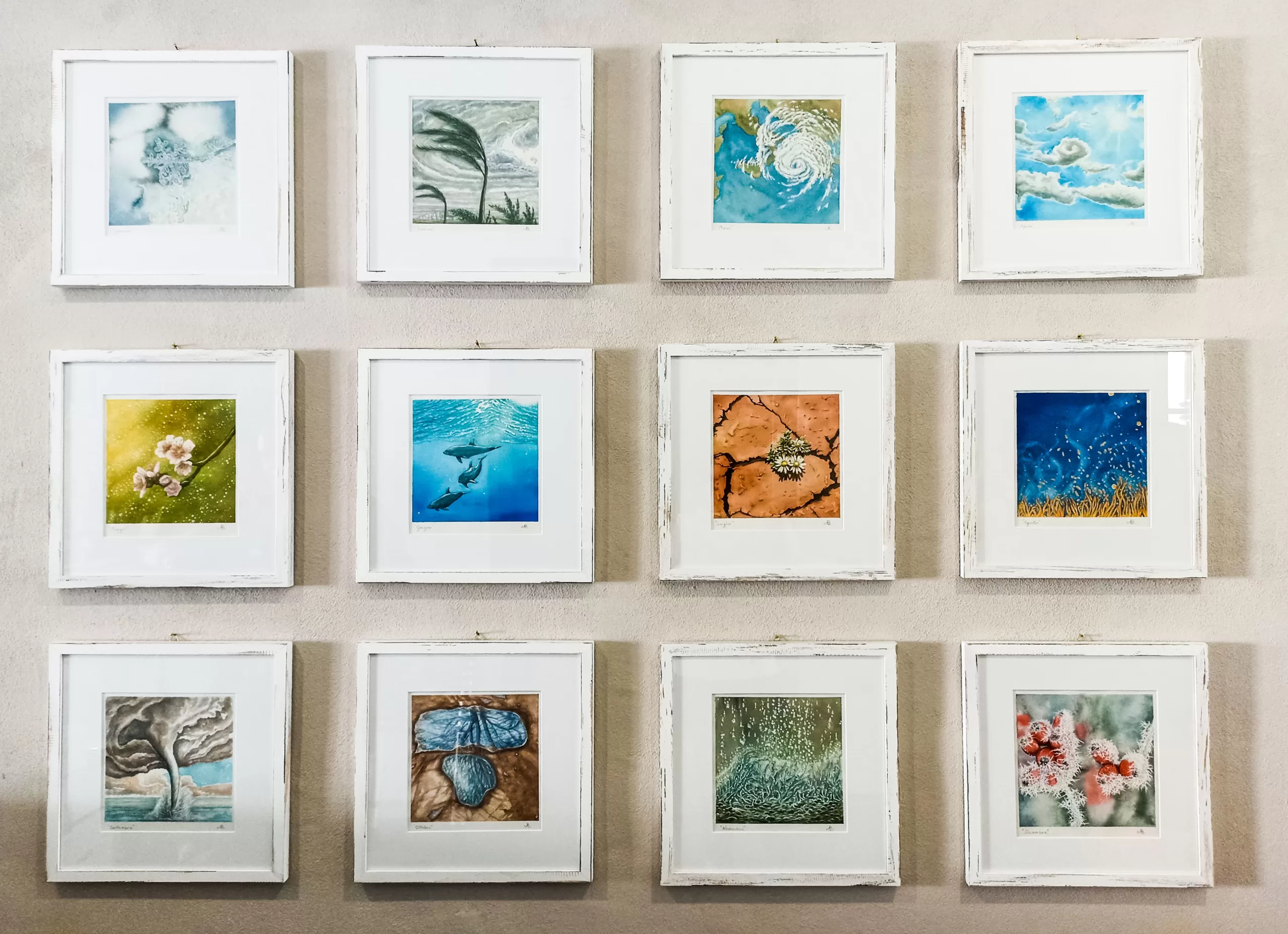
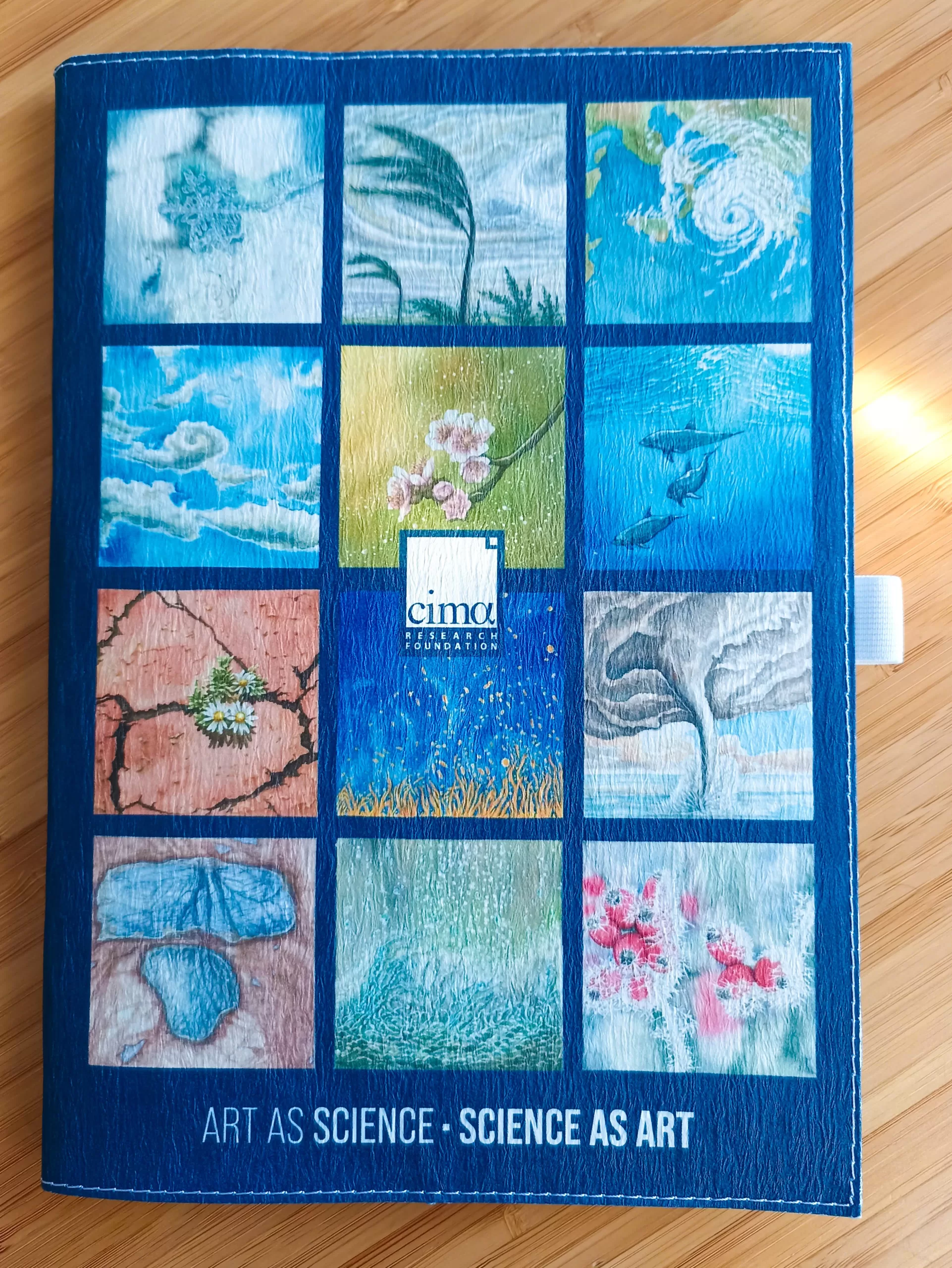
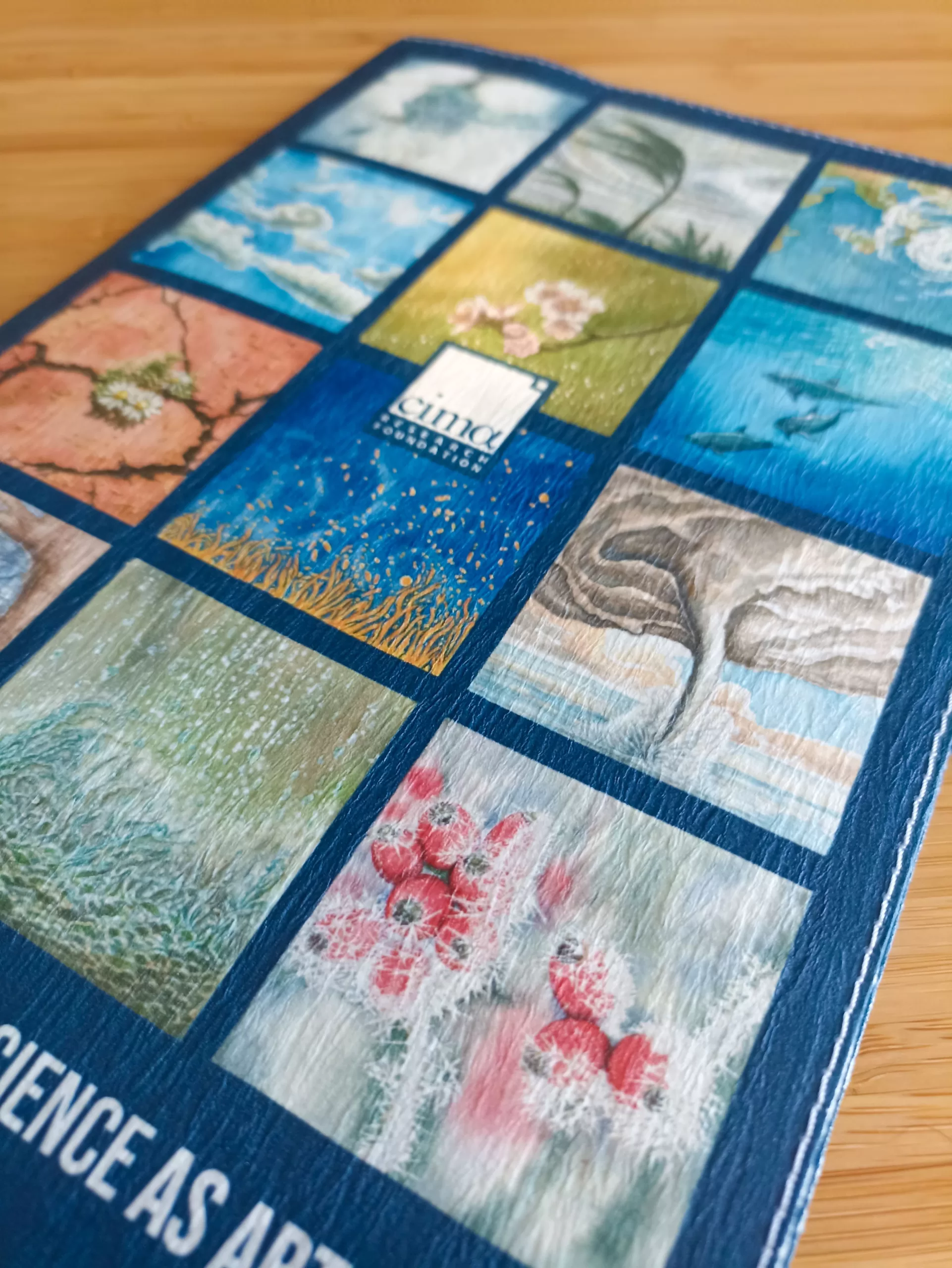
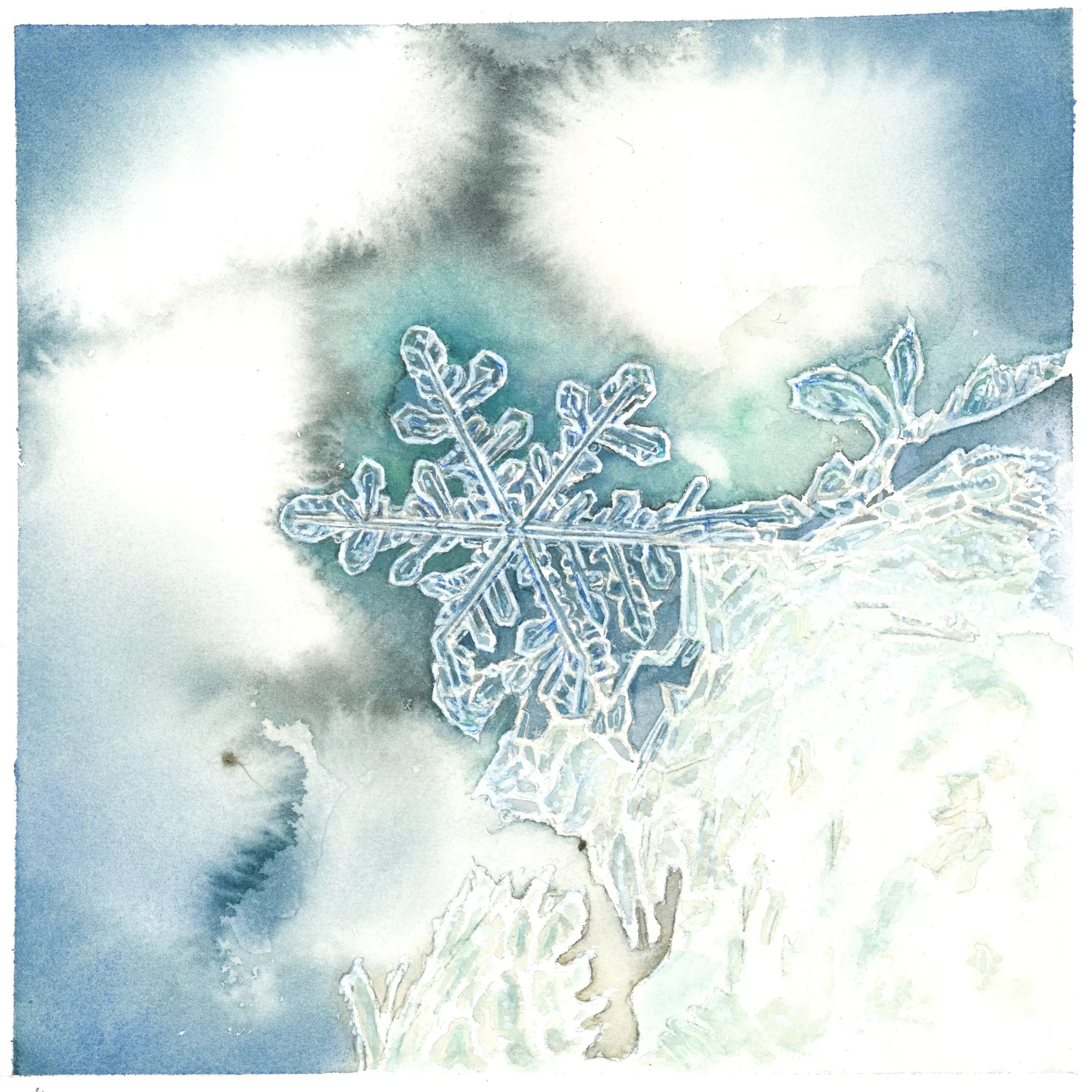
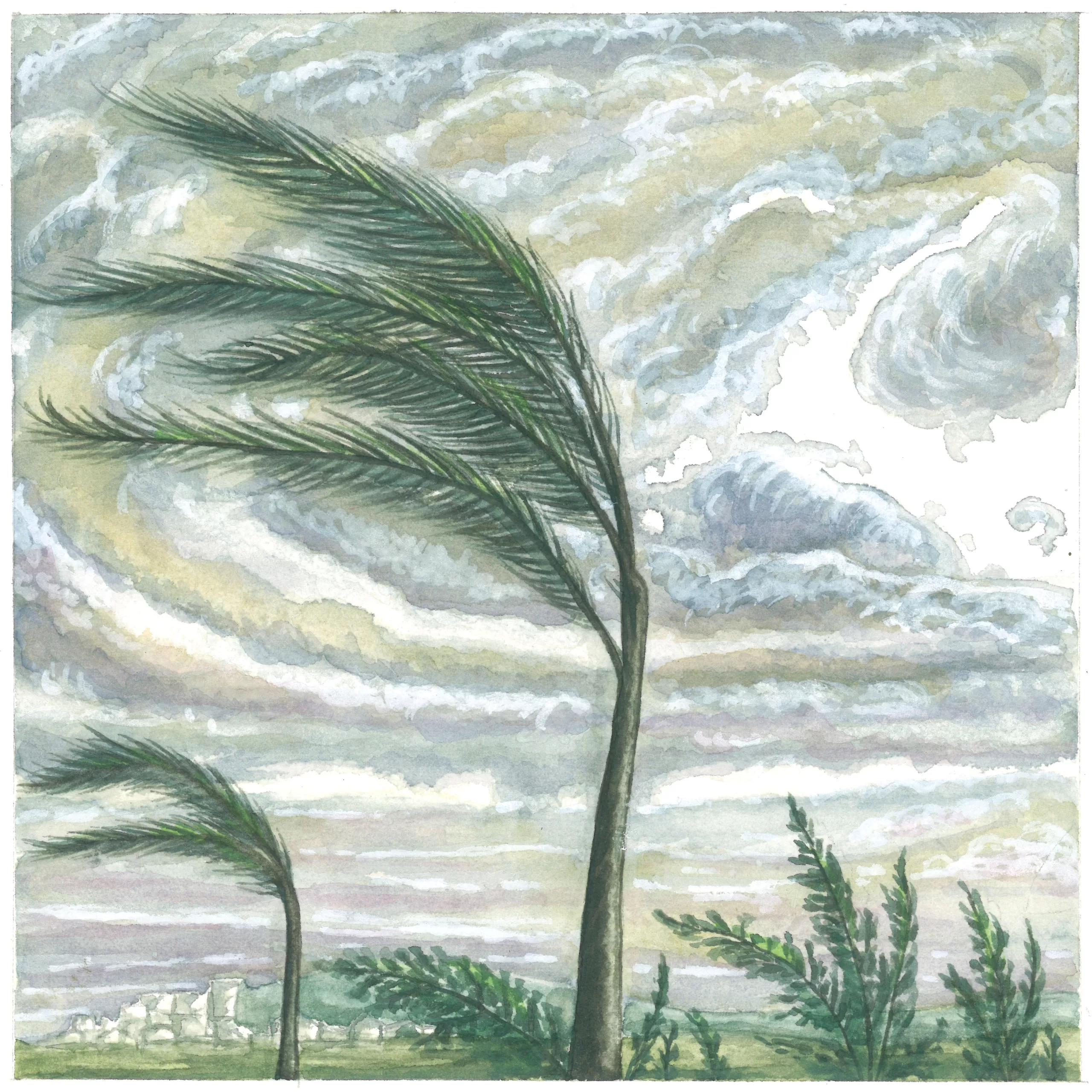
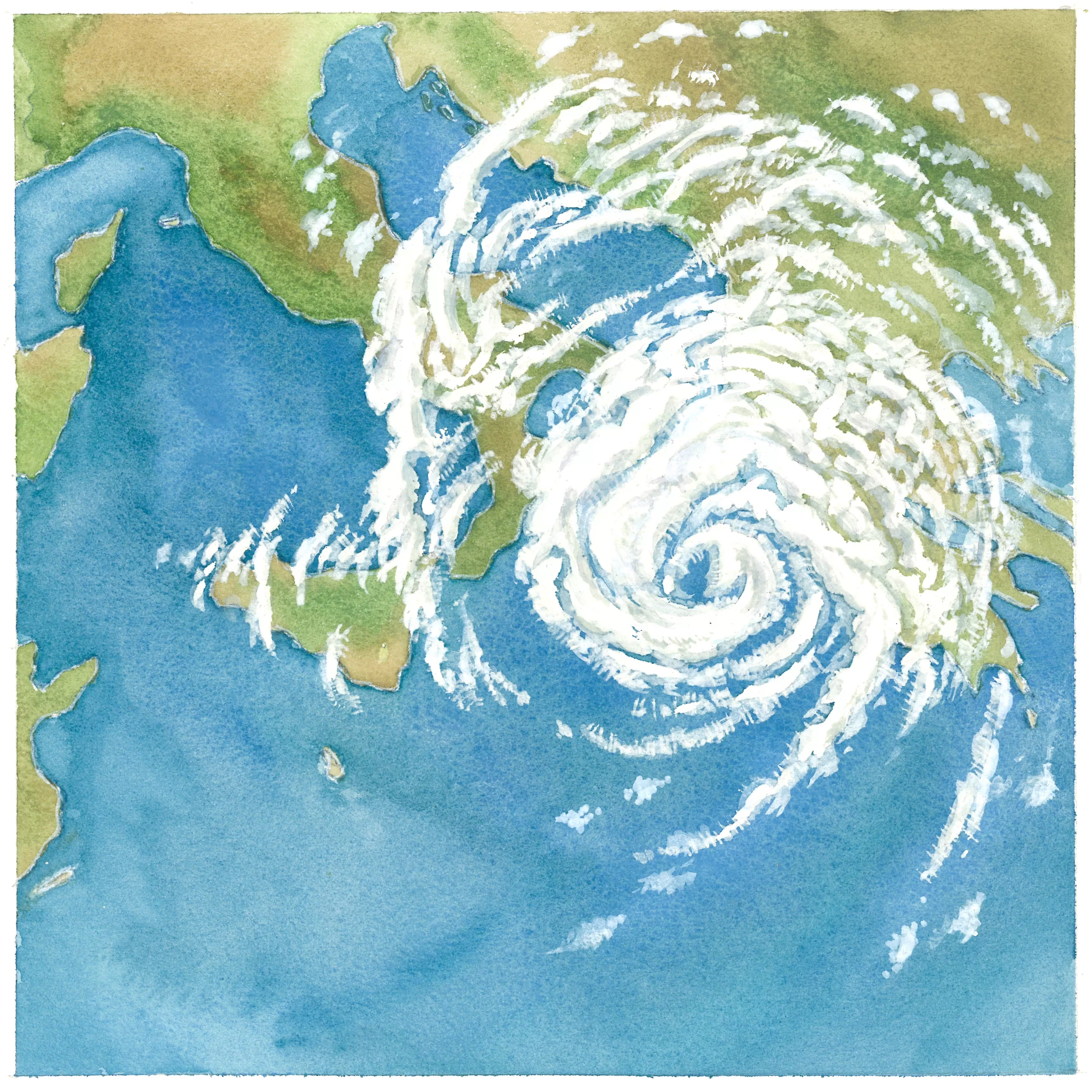
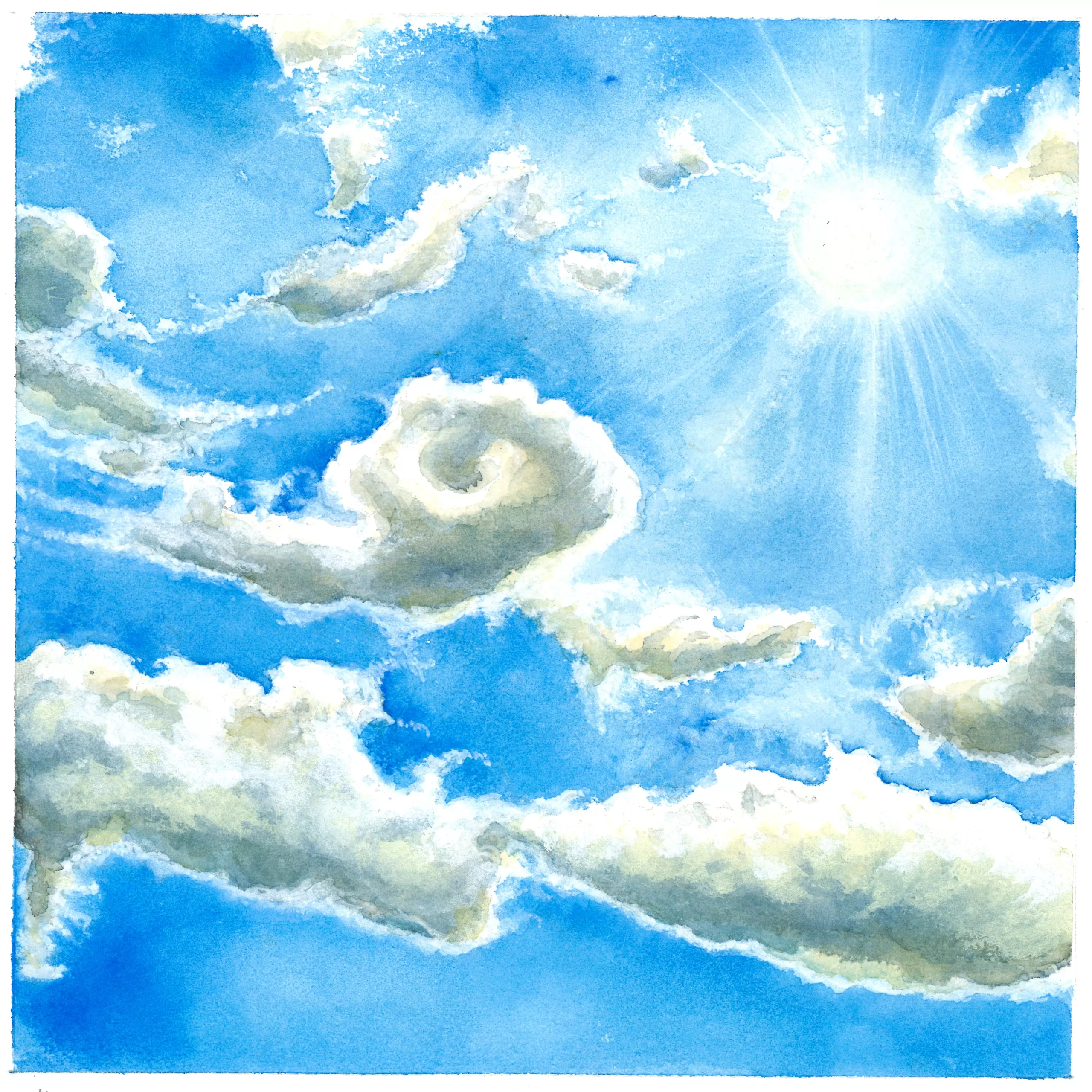
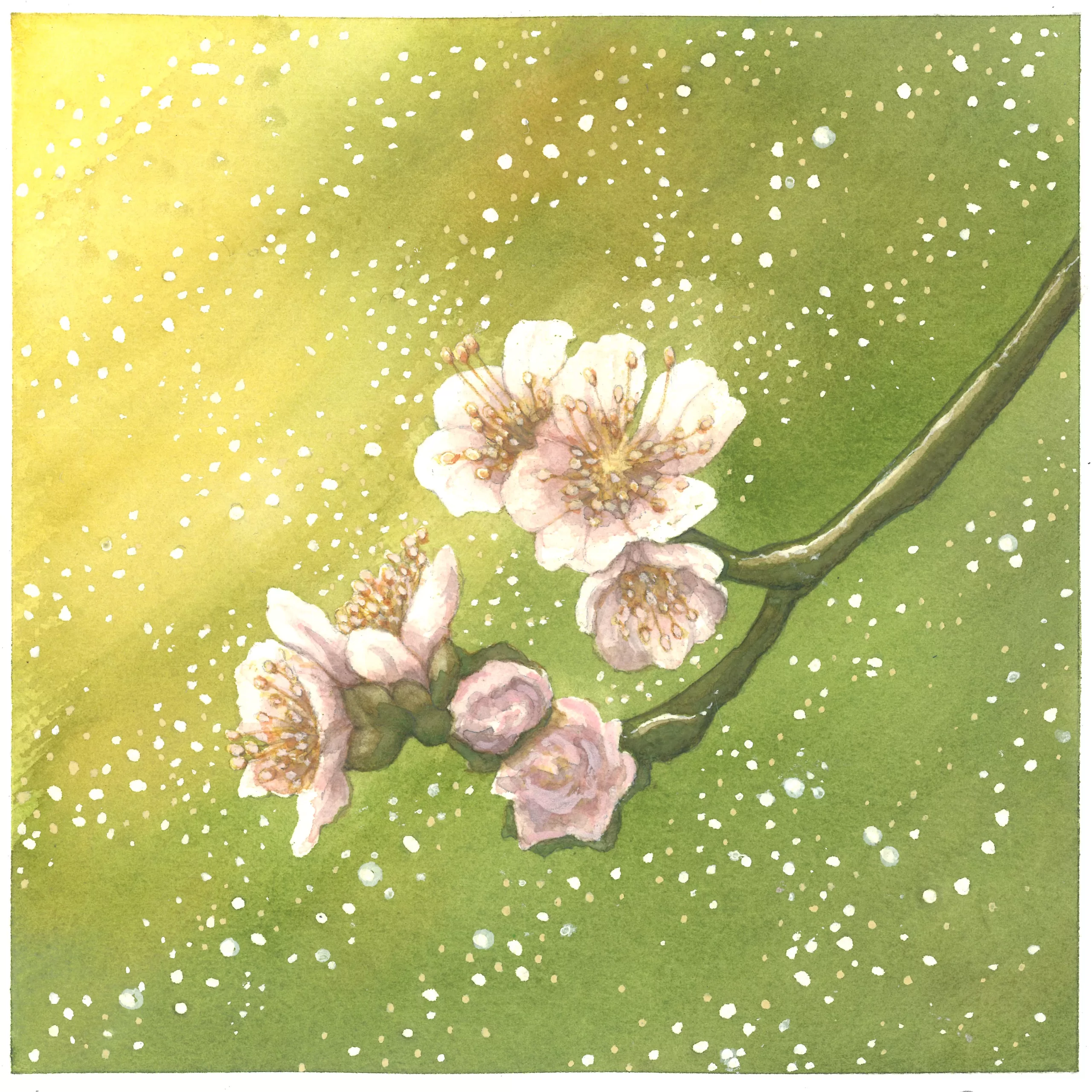
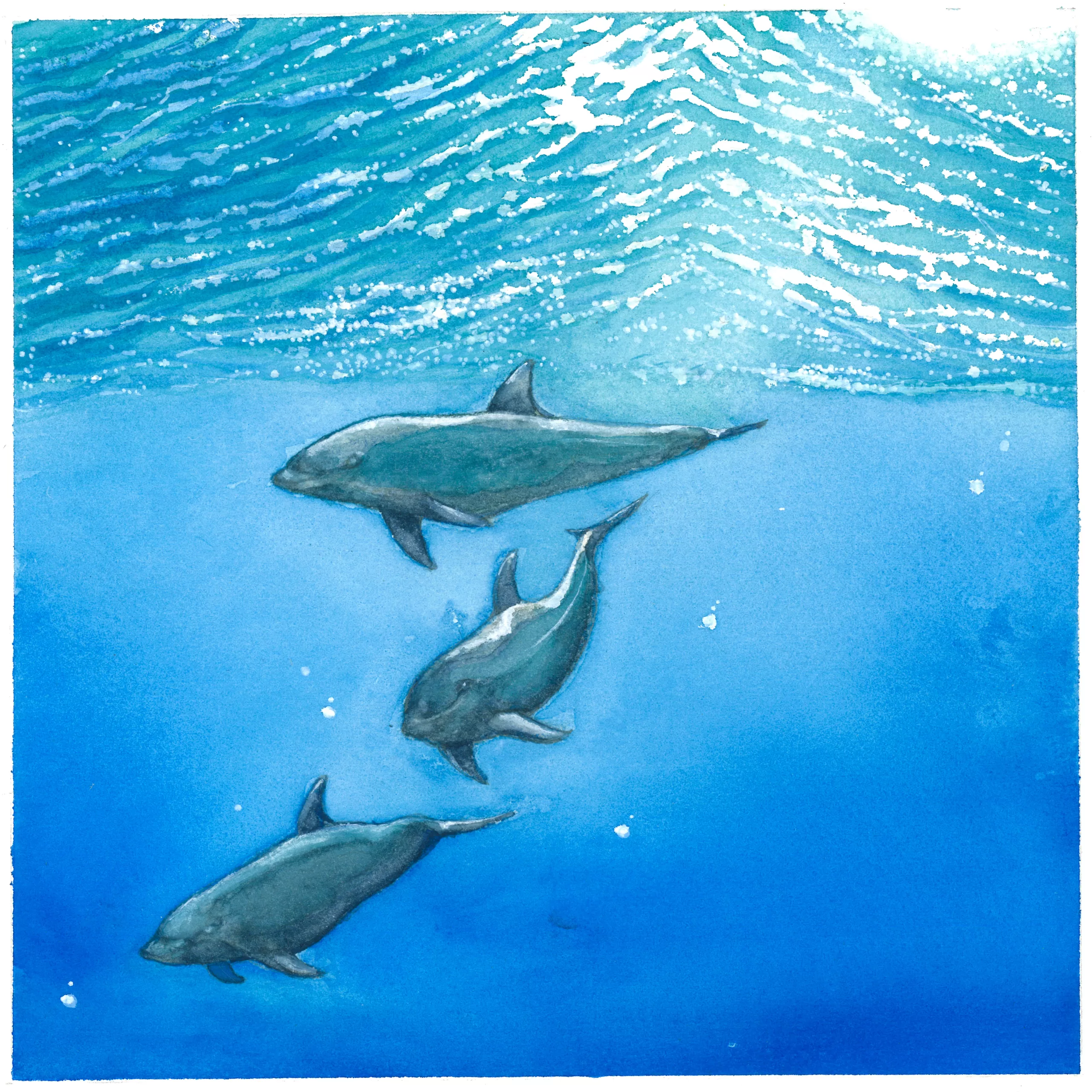
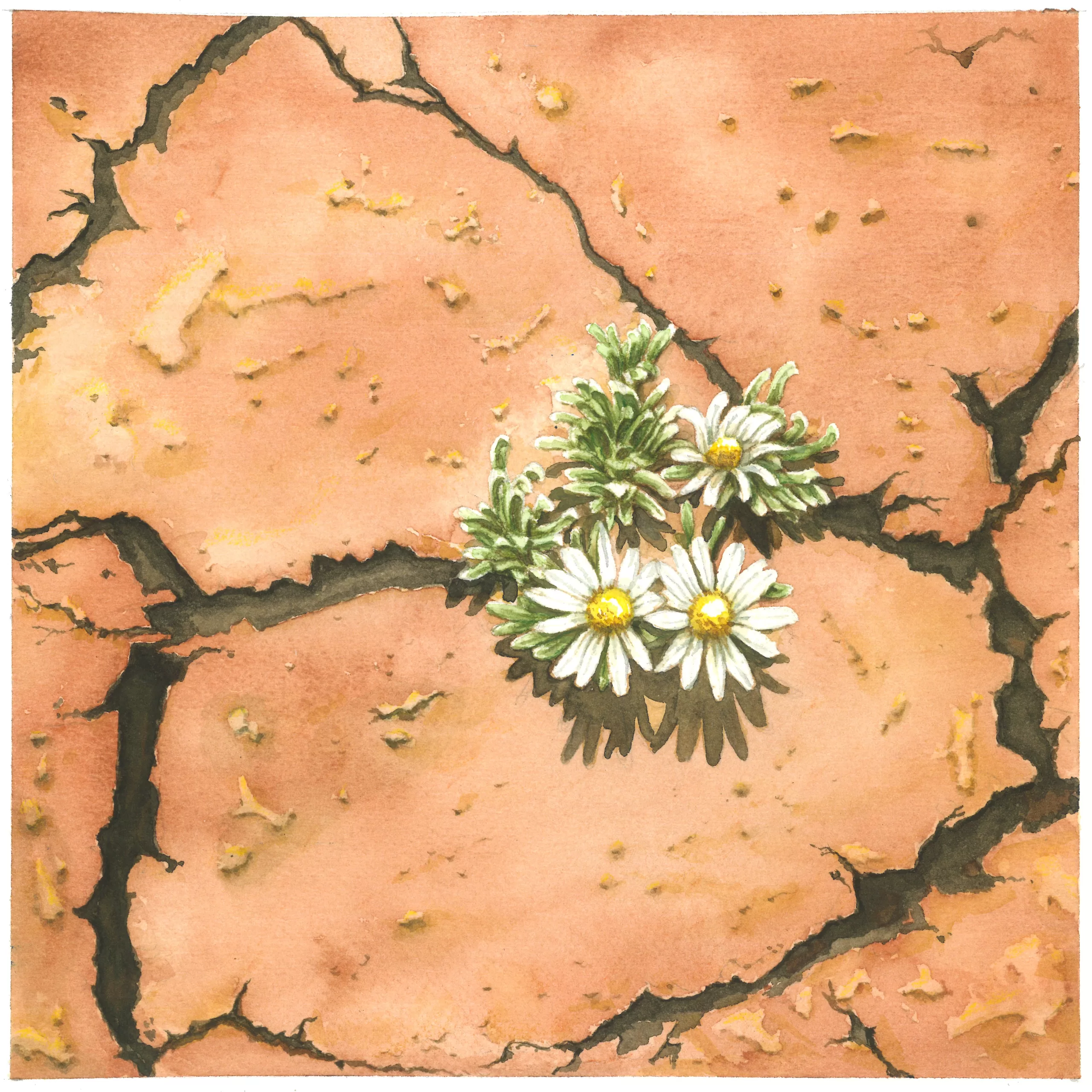
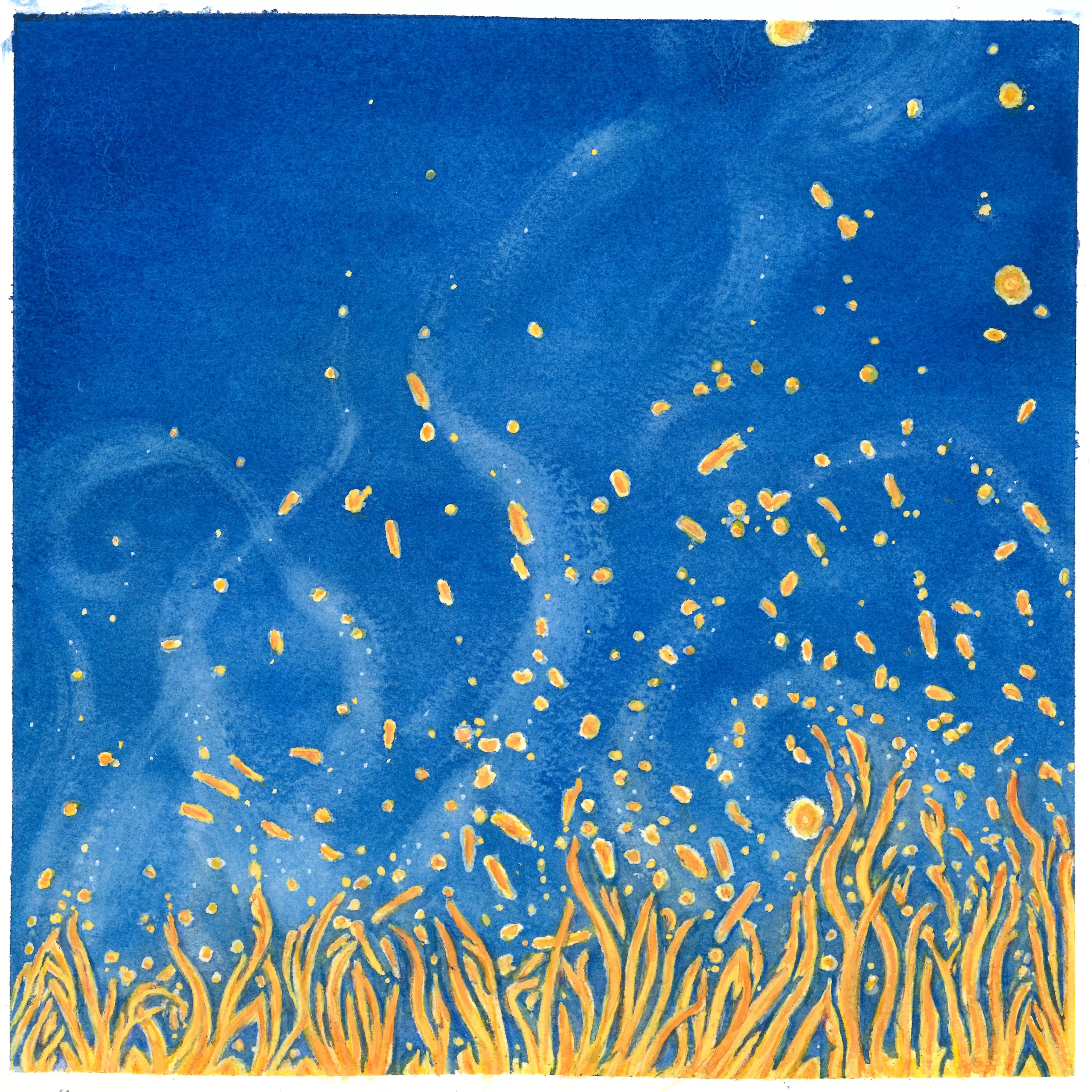
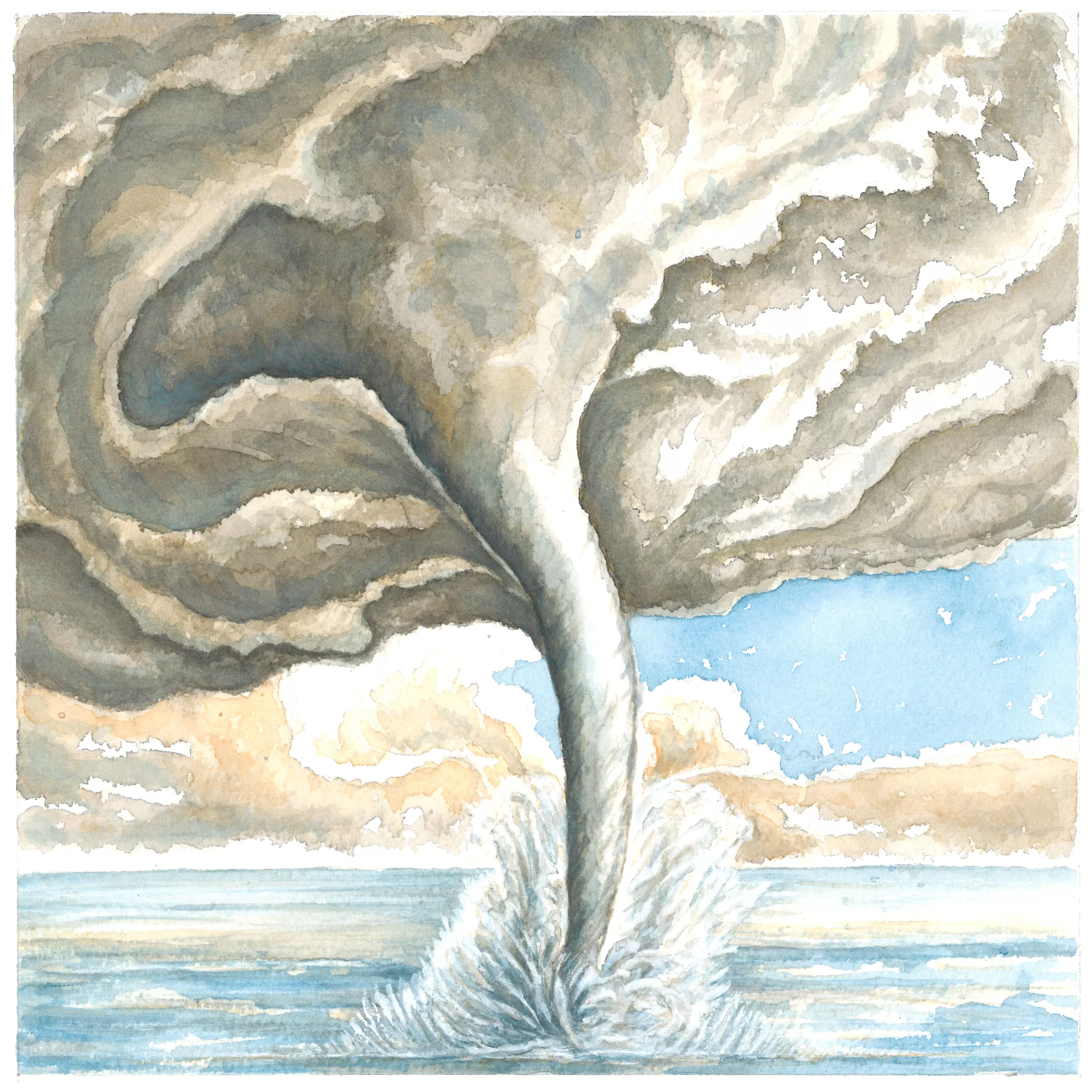
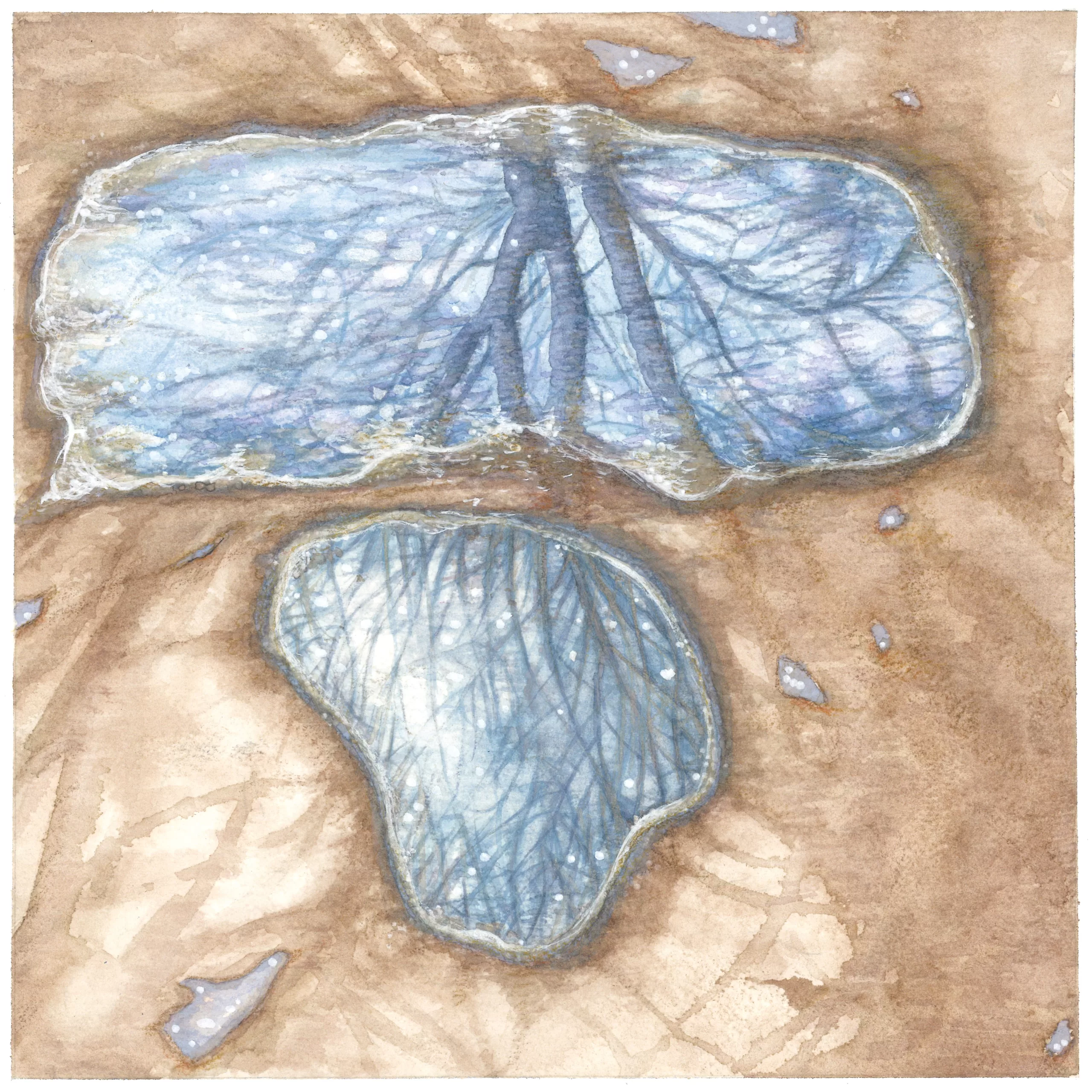
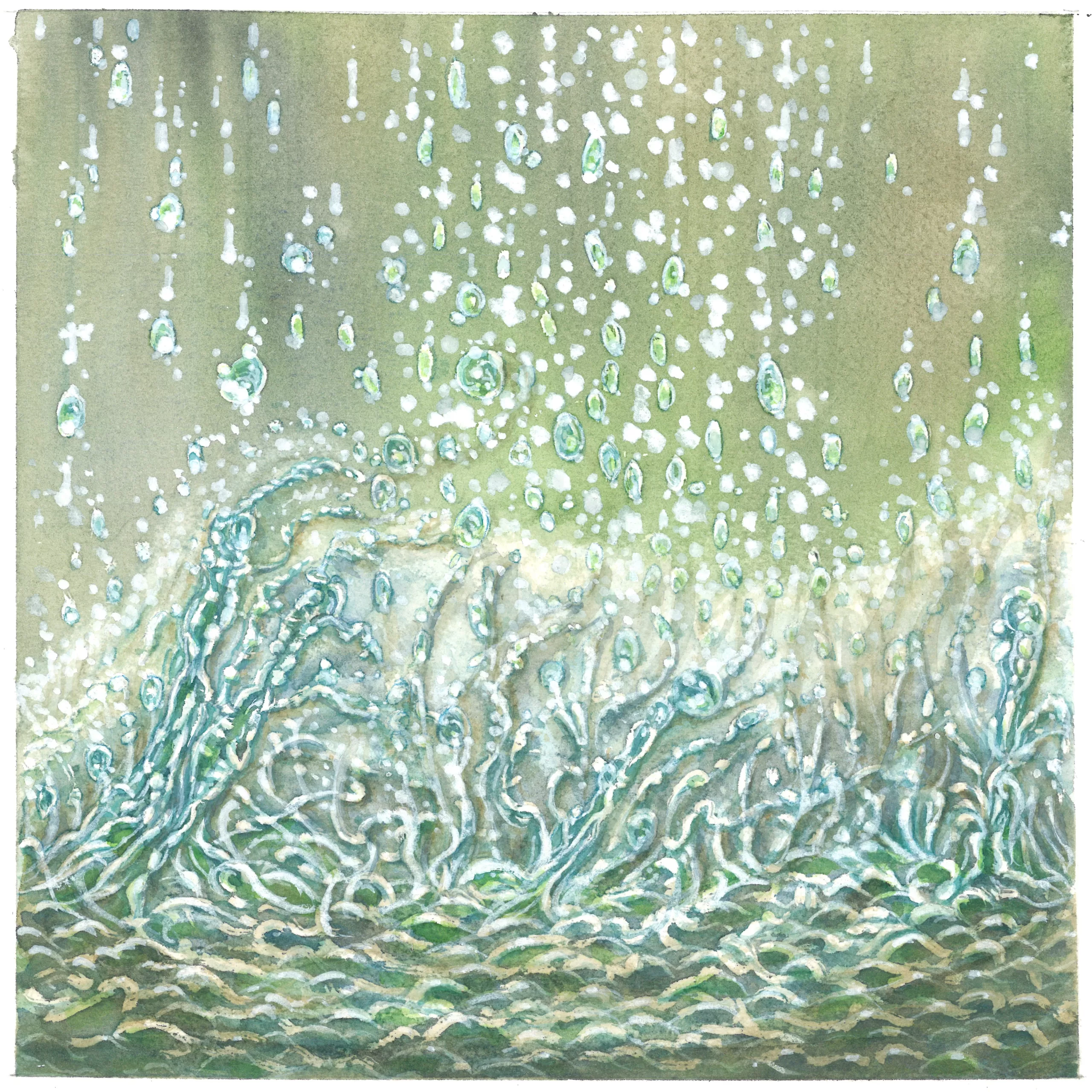
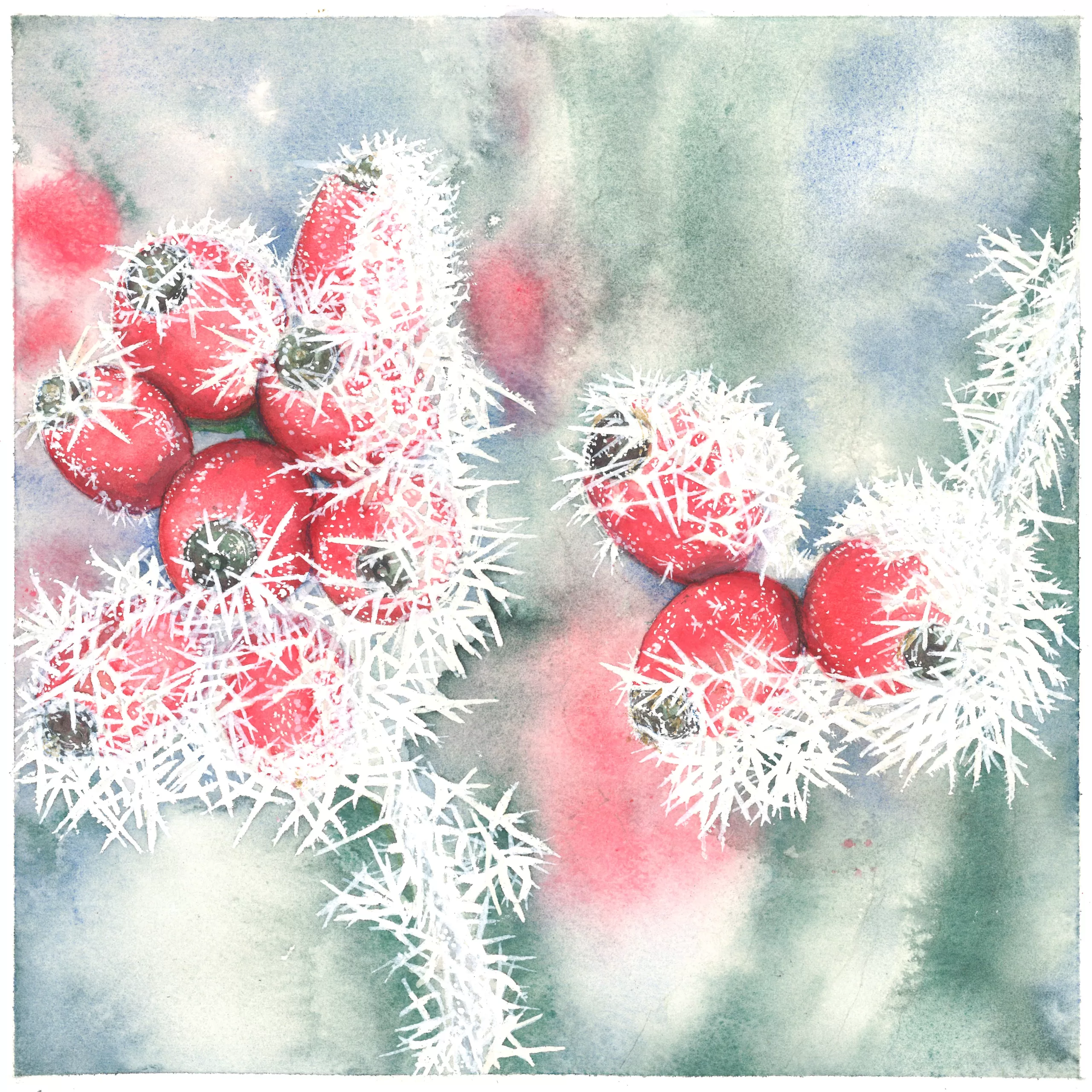
Water, the atmosphere, clouds, rain, snow, the sea, plants: as researchers we are used to converting these into data as input for complex equations that are useful to forecasting floods, droughts, wildfires and, ever more frequently, the impacts of climate change. Yet physics and maths alone are not enough for prevention and intervention. Emotions ‒ in the sense of extreme feelings capable of engaging us at a deep level, able to touch our minds and our hearts ‒ are also needed. Drawing on the language of art, these watercolours remind us that our planet is not merely something to be analysed and measured. It is more: it is something inspiring emotions, something to love and protect.
Luca Ferraris
President of CIMA Research Foundation
According to ancient Greek philosophers, interaction between the four elements ‒ earth, air, water and fire ‒ is at the origins of all natural occurrences. Both in the microcosm and the macrocosm, their encountering each other creates, destroys and then creates again in an endless cycle. This interpretation key can also be applied in reading the four seasons, each with its own typical atmospheric and climatic traits that regulate and influence the phenology of all living beings, including humans, who need to understand the nature of these occurrences so as to predict future developments and harmonise their own lives with these, and to remind us of the close relationship between humankind and the environment, between research and art, and between science and knowledge.
Barbara Alessandri
CIMA Research Foundation